Who owns which part
In Brampton, water comes from the Region of Peel system. The municipal side generally covers the pipe from the watermain to the curb stop by the lot line; the homeowner side covers the stretch from the curb stop through the wall to the meter. Responsibility for repairs follows that split, so before we dig we confirm with you where the problem is and whether the Region needs to be involved. Check the Region of Peel's current guidance for the exact boundary on your street.
Reasons to replace it
- Weak pressure everywhere in the house, worst when two taps run together.
- Rust-coloured water from older galvanized steel service pipes.
- A soft, dull grey pipe coming through the basement wall, possibly lead, in pre-1950s homes near downtown.
- Dampness on the foundation wall around the pipe, or a soggy strip of lawn that stays wet in dry weather.
Digging or trenchless
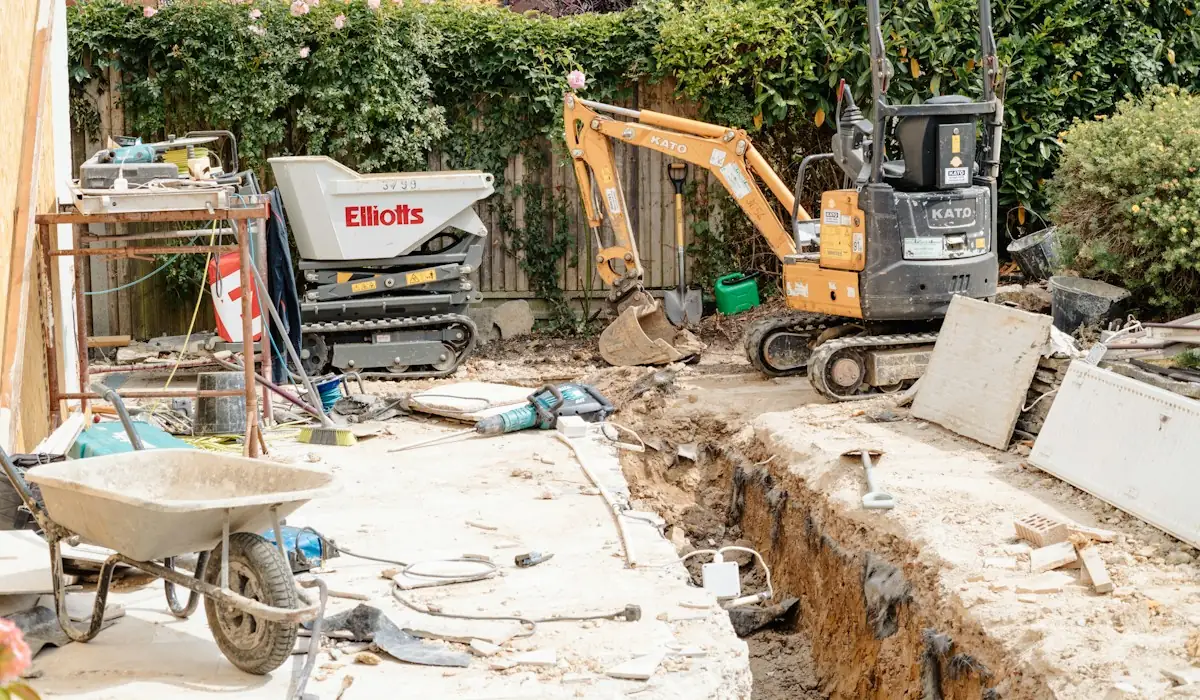
Most service lines in post-war Brampton are 3/4 inch copper, and many newer subdivisions use plastic tubing. Replacement usually means a trench or a pair of pits: one at the curb end and one at the foundation, with a new line pulled or bored between them. We locate other utilities with an Ontario One Call locate first, and we restore the lawn grade over the trench.
After the switch-over
We flush the new line at an outside tap before opening fixtures, check pressure with a gauge at the laundry tub and leave the old pipe ends capped and labelled. Expect a little air spitting from taps for the first day while the system settles.
Signs you need this job
- A water bill rising with no new use
- Ceiling stains below a bathroom
- Banging pipes when a tap closes
- Green crust on copper joints
On the job, in order
- Main valve off, lowest tap open to empty that run
- Trim past the damage until clean metal or PEX shows each side
- Join new copper or PEX with the right fittings
- Repressurise and watch the meter dial
Ready when you are. One call, a real plumber, an arrival window.
Call now(365) 517-6415