Narrowing it down
- One fixture weak: clogged aerator, showerhead or cartridge.
- Hot side only: water heater outlet valve, sediment or a failing mixing valve.
- Upstairs worse than downstairs: undersized or scaled branch piping.
- Everywhere at once: partly closed main valve, failing pressure-reducing valve, a service line problem or a municipal issue.
How we test
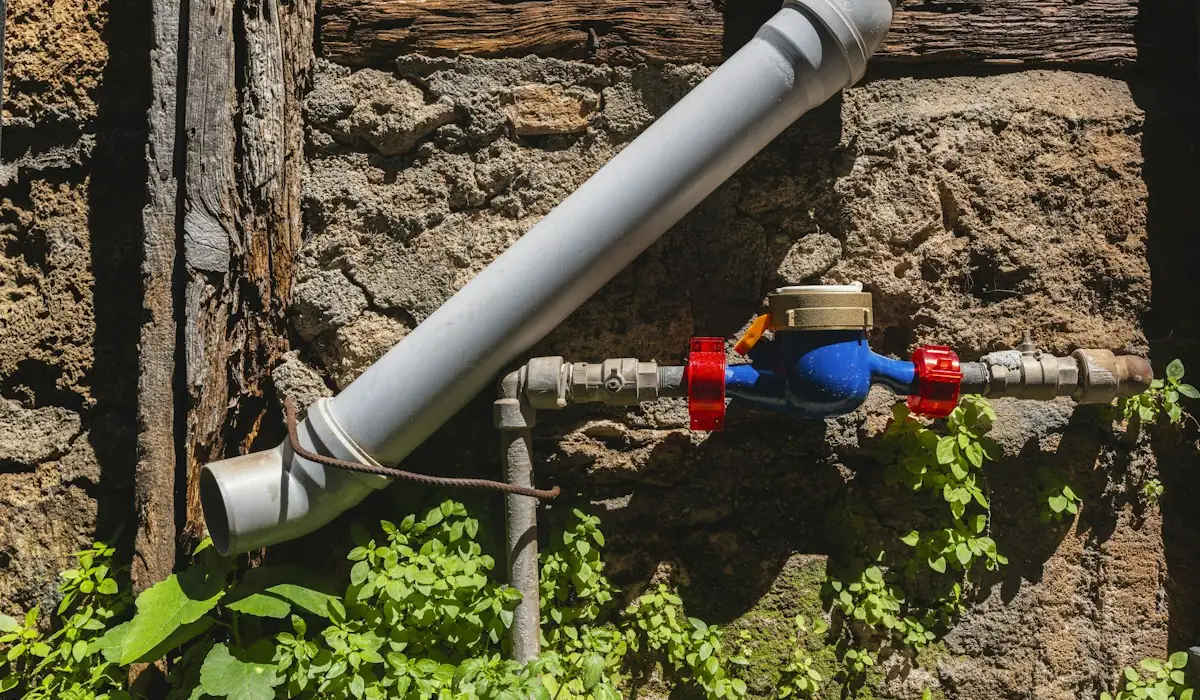
We thread a gauge onto the laundry tub faucet or an outside tap and read static pressure with nothing running, then flow pressure with several fixtures open. The difference tells us how much the piping is restricting flow. We make sure the main valve is wide open, inspect any pressure-reducing valve and listen for running water that could mean a hidden leak. If the readings are low at the meter too, we suggest a call to the Region of Peel to check the street side.
Common fixes
- Clean or replace aerators, showerheads and cartridges.
- Replace a seized gate valve with a full-port ball valve.
- Adjust or replace a pressure-reducing valve that has drifted.
- Replace scaled galvanized sections or undersized lines; see whole house repiping.
- Replace the service line if it is the restriction.
Too much pressure is a problem too. Readings well above typical household levels wear out toilet fill valves, washer hoses and water heater relief valves. A regulator protects the lot.
A few homeowner checks
Unscrew a kitchen aerator and look for grit, check that the main valve handle is fully open and ask a neighbour whether their pressure dropped too. These three tell us a lot when you call.
Signs you need this job
- A water bill rising with no new use
- Ceiling stains below a bathroom
- Banging pipes when a tap closes
- Green crust on copper joints
On the job, in order
- Main valve off, lowest tap open to empty that run
- Trim past the damage until clean metal or PEX shows each side
- Join new copper or PEX with the right fittings
- Repressurise and watch the meter dial
Ready when you are. One call, a real plumber, an arrival window.
Call now(365) 517-6415